Choosing the right preschool for your child is one of the most crucial decisions a parent can make. It lays the foundation for the child’s educational journey and impacts cognitive and social development. A trustworthy preschool can provide children with an environment conducive to learning, exploration, and socialization while putting parents’ minds at ease.
The importance of selecting a trustworthy preschool extends beyond academics. It ensures that your child is safe, respected, and valued in their learning environment, impacting their development and future attitude towards education. Parents must assess several factors to determine if a preschool meets these standards, making due diligence imperative in the selection process.
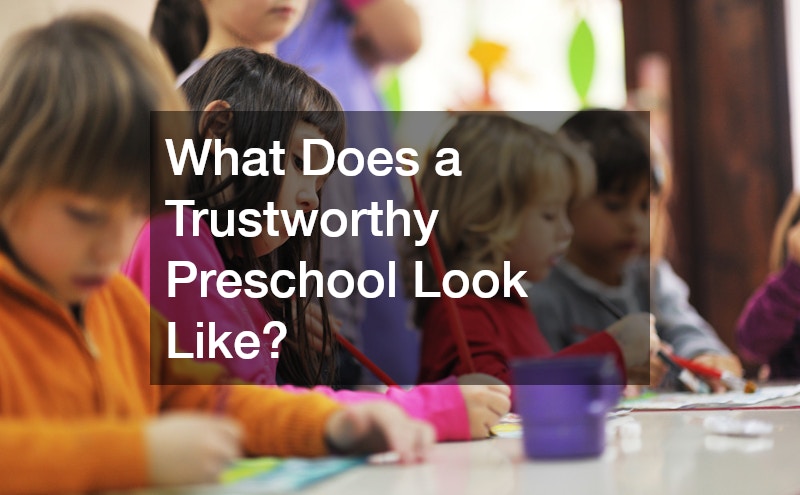
1. What Factors Define a Trustworthy Preschool?
Several factors contribute to the trustworthiness of a preschool. Firstly, accreditation from recognized educational bodies serves as an assurance that the preschool adheres to certain standards of quality and safety. Accreditation also often involves periodic evaluations, ensuring continuous adherence to these standards. Additionally, transparent communication between the preschool administration and parents builds trust. By regularly updating parents on their child’s progress and school events, preschools foster an inclusive environment that encourages parental involvement.
Location and facilities also play significant roles in defining a preschool’s trustworthiness. The preschool should be easily accessible, situated in a safe environment, and housed in structures that ensure the safety and comfort of children. Classrooms should be designed to provide a stimulating and welcoming atmosphere, equipped with age-appropriate learning materials. Cleanliness is another critical aspect, impacting both the health and morale of the students and staff. Furthermore, a clear set of policies on health, safety, and emergencies is integral to the operation of a trustworthy preschool.
The holistic development of a child should be the core focus of a trustworthy preschool. This means providing a balanced mix of play and education, enabling children to develop socio-emotional skills alongside academic foundations. Activities should cater to diverse learning styles, ensuring inclusivity and engagement. The preschool’s mission and philosophy should align with developmental goals that prioritize each child’s unique needs and learning pace. By addressing these aspects, preschools can establish themselves as trustworthy institutions in the eyes of parents.
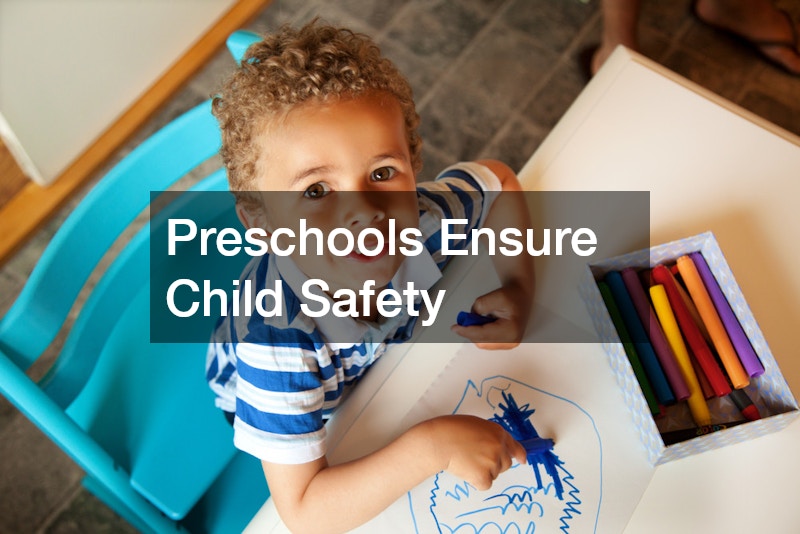
2. How Do Preschools Ensure Child Safety?
Child safety is paramount in establishing trustworthiness in a preschool. Stringent security measures, such as controlled entry points and surveillance systems, help ensure that the physical premises are safe from external threats. Staff should be trained in emergency preparedness and response, including first aid and evacuation procedures. Regular safety drills prepare both staff and children for unforeseen circumstances, fostering a sense of security. Policies to prevent incidents such as bullying and harassment also contribute significantly to a safe and nurturing environment.
Health protocols within the preschool setting are vital in ensuring child safety. Hygiene practices, such as regular handwashing and disinfection of surfaces, help prevent the spread of illnesses. A structured set of procedures should be in place for handling medical emergencies and administering prescribed medications safely. Additionally, nutritional guidelines should be adhered to, ensuring that meals and snacks provided are balanced and cater to children with allergies or dietary restrictions. By enforcing these practices, preschools protect the well-being of their young learners.
Staff to student ratios also play a crucial role in maintaining a safe environment. Adequate supervision ensures that children are closely monitored, reducing the likelihood of accidents or injuries. Regulatory compliance, such as maintaining appropriate child-to-staff ratios, is essential for both safety and effective instruction. Furthermore, the vetting and continuous training of staff ensure that educators and caregivers are qualified and equipped to handle the diverse needs of children. In this way, a trustworthy preschool prioritizes safety at every level of operation, from policy to practice.
3. What Curriculum Should a Trustworthy Preschool Offer?
A trustworthy preschool curriculum should balance academic learning with play and exploration. Core learning areas typically include language development, basic mathematics, science exploration, and creative arts. By integrating play-based learning, the curriculum encourages critical thinking and problem-solving skills in a context that feels natural and enjoyable for young children. Programs should be tailored to nurture curiosity, allowing children the freedom to explore topics of interest while teachers guide and scaffold their learning experiences. The goal is to create a love for learning through diverse and dynamic educational experiences.
In addition to core academic subjects, the curriculum should promote social and emotional development. Activities designed to build empathy, cooperative play, and conflict resolution skills prepare children for interpersonal interactions outside the classroom. Emotional intelligence, fostered through stories, games, and reflective discussions, is as crucial as academic achievement. A preschool that emphasizes the development of a child’s social skills not only prepares them for future academic settings but also helps them navigate personal relationships throughout their lives. This holistic approach sets a trustworthy preschool apart from others.
Family and cultural inclusivity are vital components of the curriculum that a trustworthy preschool should incorporate. Lessons should reflect diverse cultures and traditions, allowing children to learn about and appreciate the world beyond their immediate environment. Celebrating different cultures within the school encourages respect and openness, fostering a positive community spirit. Engaging families in cultural curriculum planning ensures inclusivity and relevance. This broad, multicultural approach enriches the educational experience and contributes to the development of worldly, well-rounded individuals.
4. How Important is Teacher Quality in Preschools?
The quality of teachers is a cornerstone of a trustworthy preschool. Highly qualified and well-trained teachers are adept at creating an engaging and supportive learning atmosphere. They have the knowledge and skills to identify individual learning needs, catering their teaching strategies accordingly. Continuous professional development opportunities enable teachers to stay abreast of educational best practices, enhancing their effectiveness. Teachers’ ability to foster meaningful relationships with students plays a crucial role in creating a positive learning environment.
Moreover, nurturing teacher-student relationships are vital for children’s emotional and educational development. Children require attention, understanding, and encouragement to thrive, which dedicated and passionate teachers provide. Their role extends beyond mere instruction; they act as mentors who guide children’s curiosity and foster self-confidence. By being approachable and attentive to students’ needs, teachers cultivate a sense of belonging and security, helping children feel valued and understood. This emotional support is imperative for children’s overall growth and trust in their educational environment.
Teacher retention is another indicator of a preschool’s trustworthiness. High staff turnover can be disruptive and impede the establishment of stable, trusting relationships. Preschools investing in teacher satisfaction, offering fair compensation, recognition, and growth opportunities, tend to retain skilled educators. Stability provides children with continuity in care and instruction, necessary for consistent learning progress. Thus, the commitment to hiring, developing, and retaining quality educators should be a paramount concern for preschool administrators aiming to establish a trustworthy educational institution.
5. What Role Does Parental Feedback Play in Trustworthiness?
Parental feedback is a crucial component in assessing and enhancing the trustworthiness of a preschool. Open channels for communication allow parents to voice their concerns, suggestions, and satisfaction regarding the preschool environment. Feedback mechanisms, such as surveys, meetings, and suggestion boxes, empower parents to play an active role in the school community. This engagement demonstrates that the preschool values their input and is committed to continuous improvement based on real needs. Encouraging parental involvement creates a collaborative atmosphere that enhances the school’s reputation and trustworthiness.
Feedback from parents can directly lead to tangible improvements in preschool operations. Constructive criticism helps administrators to identify areas needing change, whether in facilities, safety protocols, or program offerings. By acting on feedback, preschools demonstrate accountability and commitment to maintaining high standards. Moreover, when parents perceive their suggestions are valued and implemented, it fosters a stronger sense of trust towards the institution. This trust is reinforced when schools regularly communicate updates and improvements spurred by parental input.
The process of gathering and utilizing parental feedback should be systematic and ongoing. Regular parent-teacher conferences provide an opportunity for direct dialogues regarding a child’s progress and preschool practices. Online platforms and apps can also facilitate continuous feedback collection and communication. By integrating this feedback loop into their operational framework, preschools ensure that parents remain partners in their child’s educational journey. This collaborative ethos not only enhances trust but also aligns the preschool’s objectives with the expectations and experiences of the families they serve.
In conclusion, a trustworthy preschool embodies a blend of safety, quality education, experienced teachers, and active parental involvement. These characteristics collectively ensure a nurturing environment where children can learn and grow with confidence and enthusiasm. The role of teachers, the emphasis on a holistic curriculum, robust safety measures, and the institution’s receptiveness to parental feedback are all vital elements that underscore a preschool’s reliability. Parents must prioritize these attributes when choosing a preschool to secure a constructive start to their children’s educational journeys. Ultimately, a trustworthy preschool positively impacts not only the children and their families but also the broader educational community by setting high standards and expectations.