
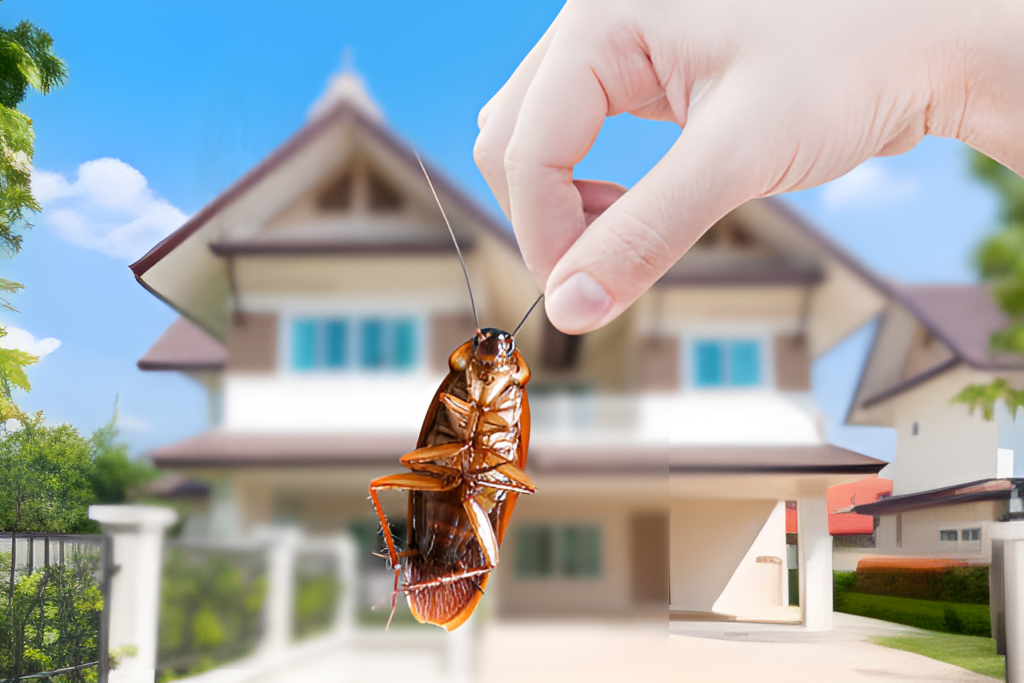
- Getting rid of roaches requires a combination of elimination, prevention, and long-term control, not just sprays or traps. Targeting nests, food sources, moisture, and entry points is essential for lasting results.
- Roach baits are one of the most effective tools for eliminating infestations because they spread poison throughout the colony, while sprays should be used only for spot treatment and immediate relief.
- Cutting off access to food and water is critical for long-term success, especially in kitchens and bathrooms where crumbs, grease, leaks, and moisture often go unnoticed.
- Sealing cracks, gaps, and entry points prevents new roaches from entering, making your elimination efforts far more effective and reducing the risk of reinfestation.
- Natural methods like diatomaceous earth and boric acid can support roach control, but they work best for mild infestations or as part of a broader strategy rather than as stand-alone solutions.
- Different areas of the home require targeted approaches, with kitchens, bathrooms, basements, and shared walls needing extra attention due to food, moisture, and access points.
- Consistency over time is the key to keeping roaches from coming back, including regular cleaning, moisture control, monitoring with traps, and ongoing prevention rather than one-time treatments.
Few household problems are as unsettling as discovering roaches in your home. Whether you spot one darting across the kitchen floor at night or notice signs of an infestation behind appliances, roaches are persistent, fast-breeding, and difficult to ignore. Learning how to get rid of roaches effectively requires more than a quick spray or trap—it takes a combination of elimination, prevention, and long-term control strategies.
This complete guide breaks down everything you need to know about how to get rid of roaches for good. You’ll learn why roaches show up, how to identify the type you’re dealing with, which methods actually work, and how to keep them from coming back.
Why Do Roaches Invade Homes in the First Place?
Roaches are not random invaders. They enter homes for very specific reasons, and understanding those reasons makes it much easier to eliminate them.
The most common reasons roaches infest homes include:
- Easy access to food and water
- Warm, sheltered hiding places
- Cracks, gaps, and openings that allow entry
- Poor sanitation or cluttered areas
- Nearby infestations in neighboring units or buildings
Even clean homes can get roaches if there’s moisture, warmth, and a way inside. Kitchens, bathrooms, basements, and laundry rooms are especially attractive because they provide everything roaches need to survive.
How to Tell If You Have a Roach Problem
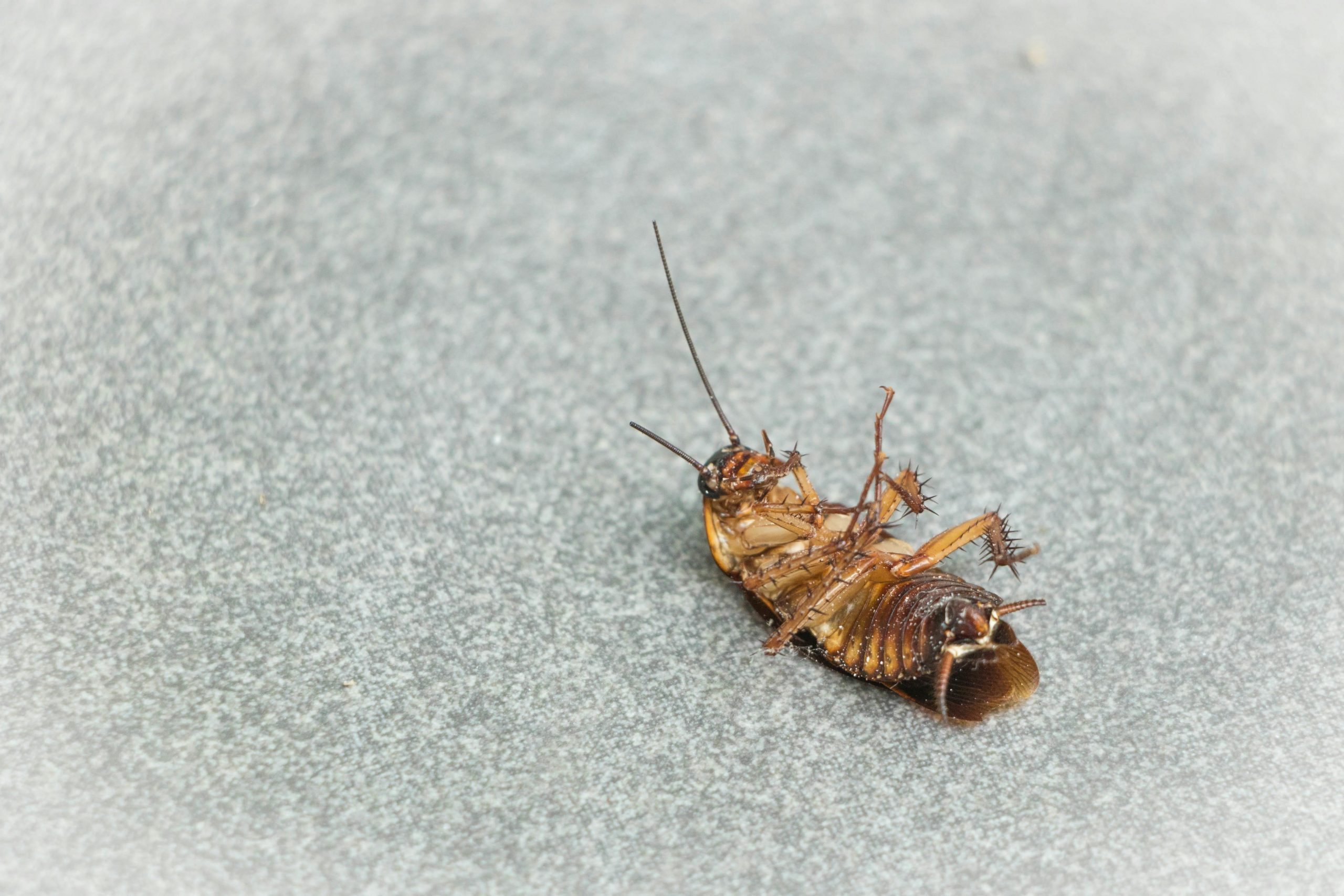
Seeing a single roach often means there are many more hiding nearby. Roaches are nocturnal and tend to stay out of sight during the day.
Common signs of a roach infestation include:
- Live or dead roaches, especially at night
- Small black or brown droppings that resemble coffee grounds
- Musty or oily odors in cabinets or enclosed areas
- Shed skins or egg cases (oothecae)
- Smear marks along walls or baseboards
The earlier you identify the problem, the easier it is to get rid of roaches before they multiply.
What Type of Roaches Are You Dealing With?
Not all roaches behave the same way, and knowing the species can influence how you approach treatment.
German Roaches
- Small and light brown with two dark stripes
- Common in kitchens and bathrooms
- Multiply rapidly and are hard to eliminate
American Roaches
- Large, reddish-brown roaches
- Often found in basements, crawl spaces, and drains
- Attracted to moisture
Oriental Roaches
- Dark brown or black
- Prefer damp, cool areas
- Often found near floor drains and basements
Brown-Banded Roaches
- Smaller and lighter in color
- Found in dry areas like bedrooms and living rooms
- Hide in furniture and electronics
Identifying the type helps you choose the most effective control methods and focus your efforts where they matter most.
How to Get Rid of Roaches Using Immediate Elimination Methods
When you’re actively seeing roaches in your home, the priority is reducing their population as quickly as possible. Immediate elimination methods focus on killing roaches that are already present while targeting the hidden nests where most of them live. The key is using the right products in the right way so you don’t accidentally make the infestation worse.
Using Roach Baits the Right Way
Roach baits are one of the most effective tools for eliminating infestations because they work at the source of the problem. Instead of killing roaches instantly, baits allow them to return to their nesting areas and spread the treatment throughout the colony.
Why roach baits work so well:
- Roaches eat the bait and carry the poison back to their hiding spots
- Other roaches feed on contaminated roaches, droppings, or regurgitated bait
- The slow-acting formula gives the poison time to spread through the colony
- Baits target the nest, not just the roaches you see
For best results, placement matters just as much as the bait itself. Roaches tend to travel along walls, inside cabinets, and behind appliances rather than out in the open.
Tips for effective bait use:
- Place bait near cracks, crevices, cabinet corners, and under appliances
- Avoid putting bait in areas that get wiped down or disturbed
- Use small amounts in multiple locations rather than one large pile
- Do not spray insecticides near bait, as this can repel roaches
- Be patient and allow several days to a few weeks for results
It’s normal to see more roach activity at first. This usually means the bait is working and drawing them out of hiding.
Insecticide Sprays for Spot Treatment
Insecticide sprays are useful for quick, on-the-spot control when you see live roaches. They can provide immediate relief, especially in high-traffic areas, but they should never be your only solution.
Sprays work best when used strategically rather than sprayed everywhere.
Best practices for using insecticide sprays:
- Apply sprays directly into cracks, crevices, and wall voids
- Treat areas behind stoves, refrigerators, dishwashers, and washing machines
- Use sprays under sinks, along baseboards, and around plumbing access points
- Avoid spraying countertops, dishes, and food-prep surfaces
- Always follow the product label instructions
Sprays should be used alongside baits, not as a replacement. Relying too heavily on sprays can push roaches deeper into walls and hiding spots, making them harder to eliminate long term.
Traps for Monitoring and Light Infestations
Sticky roach traps are not designed to wipe out an infestation, but they play an important role in understanding and managing the problem. They help you identify where roaches are active and whether your control methods are working.
Sticky traps are useful for:
- Monitoring roach activity over time
- Identifying high-traffic areas and nesting zones
- Catching individual roaches in light infestations
- Confirming which rooms need more attention
For accurate results, place traps in areas where roaches naturally travel:
- Along walls and baseboards
- Under sinks and inside cabinets
- Behind appliances and furniture
- Near entry points like doors or pipes
Check traps weekly and replace them as needed. A decrease in captured roaches is a good sign that your elimination efforts are working.
How to Get Rid of Roaches Naturally and Safely
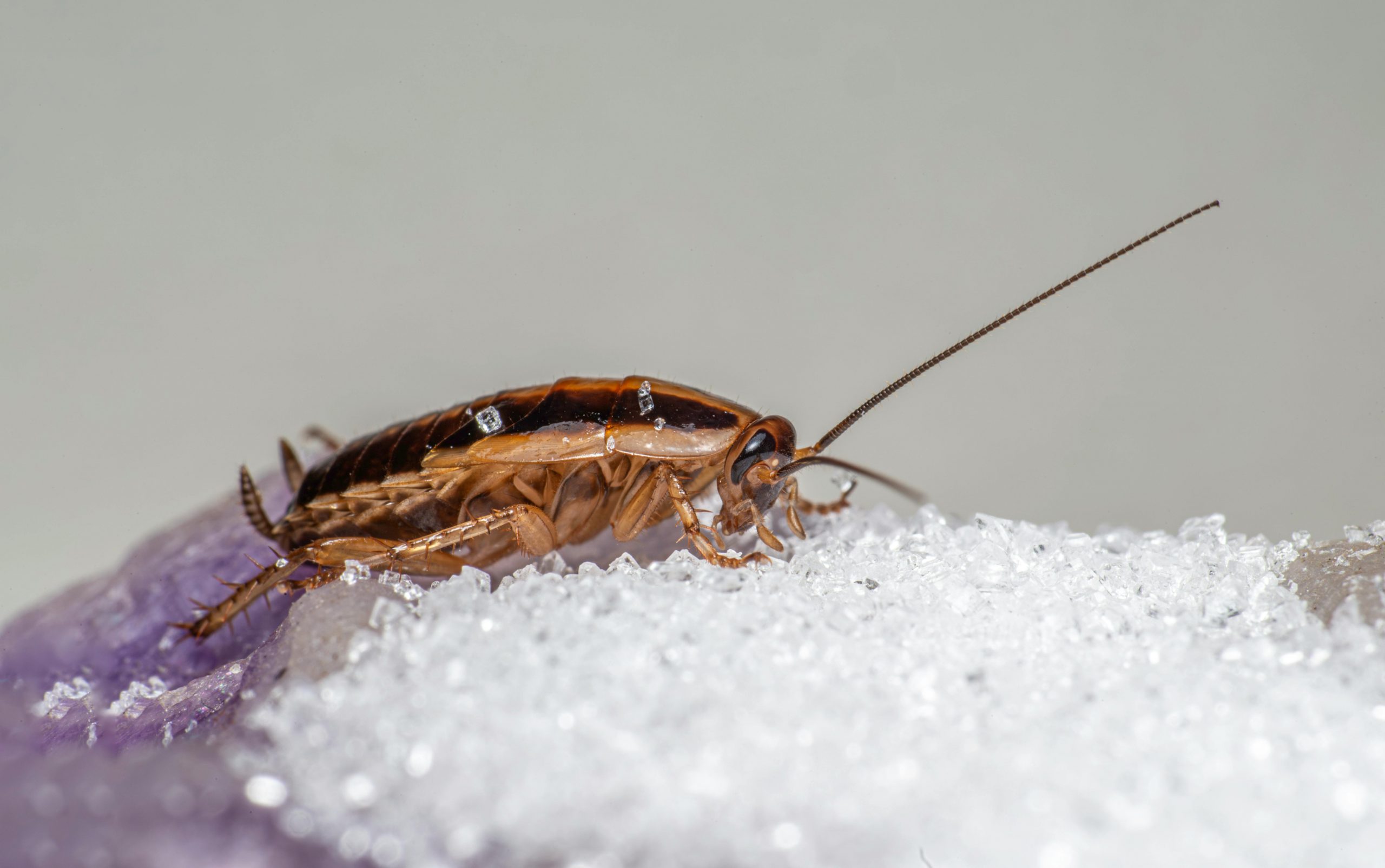
If you prefer non-toxic or low-chemical solutions, natural methods can help reduce roach activity and support long-term control. These options are best suited for mild infestations or as part of a larger strategy that includes sealing entry points and improving sanitation.
Diatomaceous Earth
Food-grade diatomaceous earth is a natural powder made from fossilized algae. It works by damaging a roach’s outer shell, causing it to lose moisture and dehydrate.
Why diatomaceous earth can be effective:
- Non-toxic to humans when used properly
- Long-lasting if kept dry
- Targets roaches as they move through treated areas
How to use it correctly:
- Apply a very thin layer in cracks, behind appliances, and under sinks
- Focus on hidden areas where roaches travel
- Keep the powder dry, as moisture reduces effectiveness
- Avoid inhaling dust during application
Too much diatomaceous earth can cause roaches to avoid the area, so light application is key.
Boric Acid
Boric acid has been used for decades as a reliable roach control method. It works by disrupting the roach’s digestive system and nervous system after ingestion.
Key tips for safe and effective use:
- Apply lightly in cracks, wall voids, and under appliances
- Keep it out of reach of pets and children
- Never leave visible piles in open areas
- Use a thin dusting rather than clumps
- Combine with bait stations for better results
When roaches walk through boric acid, they ingest it while grooming, which helps spread the treatment throughout the infestation.
Baking Soda and Sugar
This simple DIY method can help reduce roach activity by interfering with their digestive system. While it won’t eliminate a severe infestation, it can be helpful as a supplementary control method.
How it works:
- Sugar attracts roaches to the mixture
- Baking soda reacts internally when consumed
- The reaction can be fatal to roaches over time
For best results:
- Mix equal parts baking soda and sugar
- Place the mixture in shallow containers near roach activity
- Replace regularly to keep it fresh
Consistency is important, and results may take time.
Essential Oils
Essential oils don’t kill roaches but can help repel them and discourage activity in certain areas of the home.
Common oils used for roach deterrence include:
- Peppermint oil
- Eucalyptus oil
- Tea tree oil
Essential oils work best when:
- Mixed with water and used as a spray along baseboards
- Applied near entry points and problem areas
- Used alongside elimination methods
They are best viewed as a preventive or supporting solution rather than a primary method for how to get rid of roaches.
Why Cleaning Alone Won’t Get Rid of Roaches
Many homeowners assume that deep cleaning will solve a roach problem. While cleanliness is important, it’s rarely enough on its own.
Cleaning helps by:
- Removing food sources
- Reducing hiding spots
- Making treatments more effective
However, roaches can survive on minimal resources and hide deep within walls, cabinets, and appliances. Cleaning should support elimination efforts, not replace them.
How to Get Rid of Roaches by Cutting Off Food and Water
Roaches are incredibly resilient, but they cannot survive without consistent access to food and moisture. Cutting off these resources forces roaches to move, weakens their ability to reproduce, and makes other control methods far more effective. This step is essential for long-term control and prevention.
Kitchen Habits That Make a Difference
The kitchen is the most common hotspot for roaches because it offers easy access to food, warmth, and hiding places. Small daily habits can significantly reduce what attracts them.
Key kitchen practices include:
- Store pantry items, pet food, and snacks in airtight containers instead of original packaging
- Wipe down countertops, tables, and stovetops daily to remove crumbs and grease
- Sweep and vacuum floors regularly, especially under cabinets and dining areas
- Take trash out nightly and keep trash cans sealed
- Clean under and behind appliances weekly, where grease and food debris collect
Even tiny food residues can sustain roaches, so consistency matters more than occasional deep cleaning.
Bathroom and Moisture Control
Roaches are just as attracted to water as they are to food. Bathrooms, laundry rooms, and utility areas often provide hidden moisture sources that go unnoticed.
Effective moisture control steps include:
- Fix leaking pipes, faucets, and toilet bases as soon as possible
- Wipe sinks, tubs, and shower floors dry before going to bed
- Use exhaust fans during and after showers to reduce humidity
- Seal gaps and cracks around plumbing where moisture can accumulate
Even small water sources, such as condensation on pipes or standing water in drains, can keep roaches alive. Reducing moisture makes your home far less inviting to them.
Sealing Entry Points to Stop Roaches From Coming In
Getting rid of roaches inside your home won’t last if new ones can easily enter. Sealing entry points is one of the most overlooked yet most effective steps in permanent roach control.
Roaches can squeeze through extremely small openings, often entering through hidden or ignored gaps.
Common entry points include:
- Cracks in walls, baseboards, and ceilings
- Gaps around doors, windows, and sliding doors
- Openings around pipes, electrical wiring, and cable lines
- Floor drains, vents, and utility access panels
To block access:
- Use caulk to seal cracks and small gaps
- Install weather stripping on doors and windows
- Cover vents and drains with fine mesh screens
- Seal openings around plumbing with foam or sealant
Pay special attention to kitchens, bathrooms, basements, and shared walls in apartments, as these areas are frequent entry routes.
How to Get Rid of Roaches in Specific Areas of the Home
Roaches adapt to different environments within the home, so targeted strategies work best. Treating the entire house the same way can leave problem areas untreated.
Kitchens
Kitchens often require the most aggressive control because they attract roaches with food and warmth.
Effective kitchen strategies include:
- Focus bait placement behind stoves, refrigerators, dishwashers, and microwaves
- Clean grease buildup from cabinets, walls, and appliances
- Inspect cabinets and pantries regularly for droppings or activity
- Seal cracks inside cabinets and along backsplash areas
Reducing food access in the kitchen makes bait more attractive and effective.
Bathrooms
Bathrooms are high-risk areas due to moisture and plumbing access points.
Key bathroom steps include:
- Control moisture aggressively with ventilation and drying
- Apply treatments under sinks and behind toilets
- Keep drains clean and cover them when possible
- Seal gaps around pipes and fixtures
Addressing water issues in bathrooms can dramatically reduce roach survival.
Bedrooms and Living Areas
Roaches don’t just stay in kitchens and bathrooms, especially during larger infestations.
To protect living spaces:
- Reduce clutter that provides hiding places
- Inspect furniture, mattresses, and electronics
- Use sticky traps to monitor activity along walls and furniture
- Avoid storing food in bedrooms or living rooms
Electronics and furniture can provide warmth and shelter, making inspection important.
Basements and Crawl Spaces
Basements and crawl spaces often serve as entry points or nesting areas, especially for larger roach species.
Effective control methods include:
- Address moisture issues with dehumidifiers or drainage fixes
- Seal foundation cracks and wall gaps
- Remove cardboard boxes and stored clutter
- Keep stored items elevated and organized
Keeping these areas dry and sealed helps stop roaches before they spread throughout the home.
How Long Does It Take to Get Rid of Roaches?
The timeline varies depending on infestation size, roach species, and treatment methods.
General expectations:
- Small infestations: 2–4 weeks
- Moderate infestations: 1–2 months
- Severe infestations: several months
Consistency is key. Skipping steps or stopping treatment too early often leads to reinfestation.
When Should You Call a Professional Exterminator?
Sometimes, DIY methods aren’t enough. Professional help may be necessary if:
- Roaches persist despite repeated treatment
- You’re dealing with a large infestation
- Roaches are spreading between units
- You want long-term guarantees
Professionals use stronger products, targeted treatments, and follow-up plans that address the root of the problem.
How to Get Rid of Roaches in Apartments and Shared Housing
Apartment living presents unique challenges because roaches can move between units.
What helps most:
- Treat your unit thoroughly
- Seal entry points inside your apartment
- Coordinate with management
- Keep shared areas clean
Without building-wide cooperation, roach control can be more difficult, but individual action still makes a difference.
Common Mistakes That Make Roach Problems Worse
Avoid these common errors when trying to get rid of roaches:
- Overusing sprays instead of bait
- Ignoring moisture issues
- Using too many products at once
- Placing bait incorrectly
- Stopping treatment too soon
A focused, consistent approach always works better than random treatments.
How to Prevent Roaches From Coming Back
Once you’ve eliminated roaches, prevention becomes your top priority.
Long-term prevention tips:
- Maintain regular cleaning habits
- Fix leaks promptly
- Seal cracks and gaps annually
- Monitor with traps
- Store food securely
- Reduce clutter
Think of roach prevention as ongoing home maintenance rather than a one-time task.
Seasonal Tips for Roach Control
Roach activity often increases during warmer months, but prevention matters year-round.
Warm weather strategies:
- Increase cleaning frequency
- Check entry points more often
- Monitor moisture levels
Cold weather strategies:
- Seal drafts and cracks
- Inspect basements and crawl spaces
- Continue bait maintenance
Consistency across seasons helps prevent surprise infestations.
Final Thoughts: Get Rid of Roaches for Good
Learning how to get rid of roaches isn’t about finding a single miracle solution. It’s about understanding their behavior, eliminating current infestations, and creating an environment where they can’t survive or return.
By combining effective elimination methods, sealing entry points, controlling moisture, and maintaining good habits, you can take control of your home and keep roaches out long term. Whether you choose DIY methods, natural solutions, or professional help, the key is persistence and prevention.
With the right approach, roaches don’t stand a chance.
