
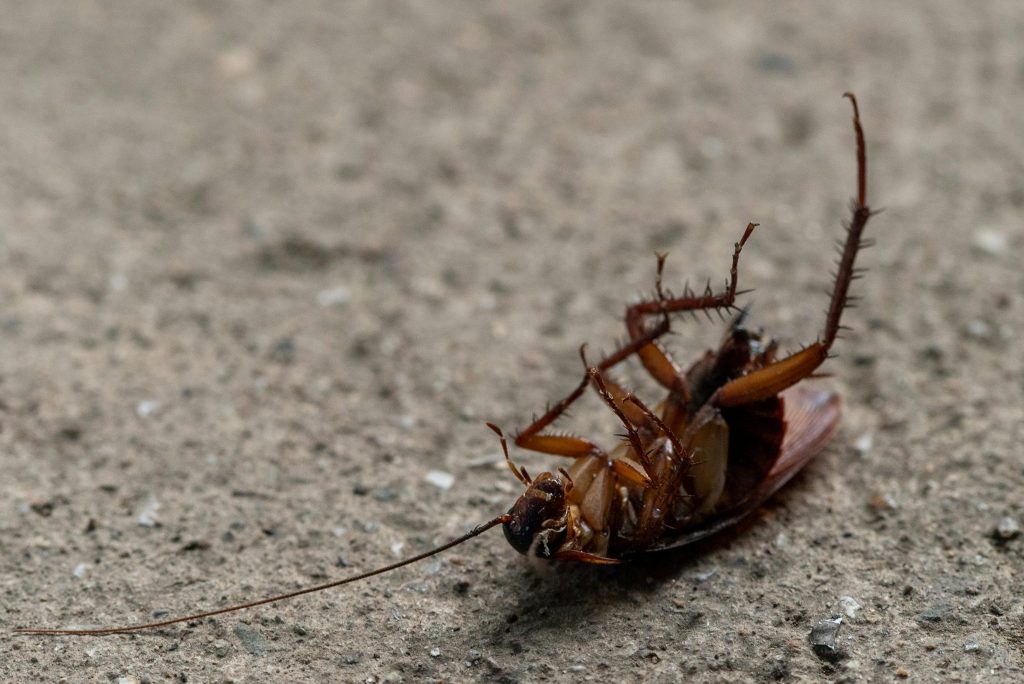
- Bleach can kill roaches on contact but has limits: It only affects roaches it touches directly and does not reach hidden pests.
- Bleach offers no lasting effect: Unlike baits or insecticides, bleach does not prevent future infestations.
- Safety is crucial when using bleach: Wear gloves, ensure ventilation, dilute properly, and never mix with other chemicals.
- Sanitation is key to prevention: Keeping surfaces clean, sealing food, fixing leaks, and decluttering reduces roach attraction.
- Combine multiple control methods: Use traps, baits, natural repellents, and seal entry points for long-term roach management.
- Seek professional help for severe infestations: Licensed exterminators can provide safer and more effective solutions for widespread roach problems.
Discovering roaches in your home can be unsettling. These resilient pests not only creep across floors and counters at night but can also carry bacteria and allergens. Many homeowners wonder if a common household chemical like bleach can solve the problem. In this guide, we’ll answer the big question: does bleach kill roaches? and explore safe ways to treat infested areas without harming yourself or your family.
What Makes Roaches So Hard to Kill?
Roaches are among the most resilient pests in the world. They can survive without food for weeks, withstand harsh environments, and reproduce quickly. Their ability to hide in cracks, cabinets, and behind appliances makes them difficult to eliminate.
- Roaches can squeeze into tiny spaces less than 1/16 of an inch.
- They can survive weeks without food, relying on water alone.
- Female roaches can lay dozens of eggs at a time, making infestations grow quickly.
Understanding their resilience is key to choosing the right treatment. While bleach is a strong cleaning agent, it may not be the ultimate solution for roach control.
Does Bleach Kill Roaches?
The short answer is: bleach can kill roaches on contact, but it has significant limitations. While it’s a strong chemical that can destroy the tough exoskeleton of a roach, it only works if it directly touches the insect. Beyond killing roaches, bleach is also an effective disinfectant, helping to sanitize surfaces where these pests often roam, such as kitchen counters, sinks, and bathroom floors. This is useful because roaches can carry bacteria and pathogens that contaminate your home.
However, there are several important drawbacks to keep in mind:
Limited reach:
Bleach is only effective on roaches it comes into direct contact with. It cannot reach roaches hiding in cracks, crevices, behind appliances, inside walls, or in plumbing spaces. This means that even if you see roaches dying on surfaces, many more could remain hidden.
No residual effect:
Unlike specialized roach baits, traps, or insecticides, bleach does not leave behind any lasting effect. Once it dries or is wiped away, returning roaches will not be harmed, meaning it cannot prevent reinfestation on its own.
Safety concerns:
Bleach is highly corrosive and can irritate the skin, eyes, and respiratory system. It’s particularly dangerous if mixed with other household chemicals like ammonia, vinegar, or acidic cleaners, which can produce toxic gases. Even small amounts of improper use can cause chemical burns or respiratory distress.
In short, while bleach can kill individual roaches on contact and helps sanitize surfaces, it is not a comprehensive solution for infestations. It’s best viewed as a temporary, stop-gap measure rather than a primary method of roach control. To fully address a roach problem, a combination of sanitation, trapping, and preventive measures is essential.
How Should You Use Bleach Around Roaches Safely?
If you decide to use bleach as part of your roach-cleaning routine, safety must be your top priority. Bleach is a potent chemical, and improper use can put you, your family, and pets at risk. Here’s a detailed guide to using it safely:
- Protect yourself: Always wear gloves and, if possible, long sleeves when handling bleach. Ensure the area is well-ventilated by opening windows or using fans. Avoid inhaling fumes and never let bleach come into direct contact with your skin or eyes.
- Dilute properly: Concentrated bleach is extremely harsh. For surface cleaning, mix one part bleach with ten parts water. This solution is strong enough to sanitize and kill roaches on contact but reduces the risk of chemical burns or damage to surfaces.
- Apply directly: Use a spray bottle to target visible roaches or areas with droppings. Spraying directly ensures the chemical has the maximum impact on pests in open areas. Avoid spraying blindly in cluttered spaces where you can’t reach the insects.
- Clean surfaces afterward: Once the area has been treated, wipe surfaces thoroughly with water to remove any residual bleach. This is particularly important in kitchens, dining areas, and anywhere pets or children may come into contact with surfaces.
- Never mix chemicals: Combining bleach with ammonia, acidic cleaners, or other household chemicals can release toxic gases that are extremely dangerous. Even small amounts can cause severe respiratory problems or poisoning.
Ultimately, bleach is most effective as a cleaning and disinfecting agent, not as a long-term solution for roaches. It’s a helpful tool for maintaining hygiene in areas where roaches have been seen, but for controlling infestations, you’ll need additional strategies such as traps, baits, sealing entry points, and ongoing sanitation practices.
Why Sanitation Matters More Than Chemicals
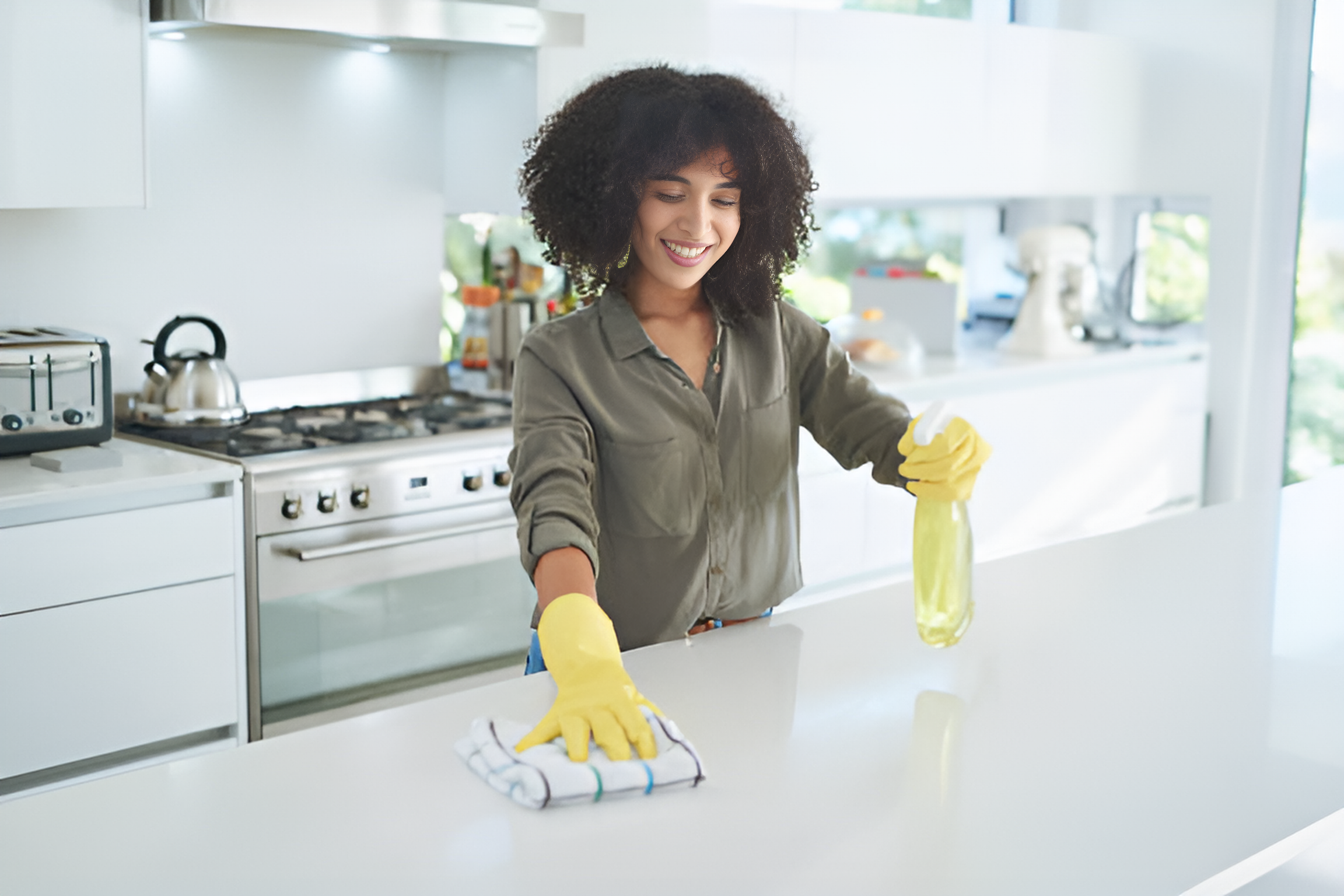
Roaches are attracted to food, water, and clutter. Even the strongest chemical treatments won’t stop infestations if these conditions persist. Maintaining a clean home is one of the most effective ways to prevent roaches.
- Keep counters and floors clean: Wipe up crumbs and spills immediately.
- Seal food properly: Use airtight containers for pantry items.
- Take out the trash regularly: Don’t let garbage accumulate indoors.
- Fix leaks: Roaches need water to survive, so repairing leaks is crucial.
- Declutter: Remove cardboard boxes and piles of paper where roaches can hide.
A clean, dry, and uncluttered home makes it much harder for roaches to thrive.
Other Safe Methods to Treat Roach Infestations
While bleach can help with cleaning, other methods are far more effective for long-term roach control. If you’re serious about eliminating these pests, it’s important to explore multiple tips on how to get rid of roaches safely and effectively.
Use Roach Baits and Traps
- Gel baits: Place them near roach activity. The roaches eat the bait and carry it back to their nest.
- Sticky traps: These help monitor infestations and reduce numbers gradually.
Seal Entry Points
- Check around doors, windows, and baseboards for cracks.
- Use caulk or weatherstripping to prevent roaches from entering.
Natural Repellents
- Boric acid: Lightly dust areas roaches frequent, but keep it away from children and pets.
- Diatomaceous earth: Safe for humans and pets; it damages the roach’s exoskeleton.
- Essential oils: Oils like peppermint and tea tree can repel roaches when diluted in water and sprayed.
Professional Pest Control
For severe infestations, calling a licensed exterminator may be the most effective and safe approach. Professionals have access to treatments that are more powerful than what’s available to homeowners, ensuring long-term control.
How to Monitor Roach Activity
Keeping track of roach activity is crucial to know if your treatments are working.
- Place sticky traps in areas where roaches are commonly seen.
- Check traps regularly and replace them as needed.
- Note times of day when roaches are most active.
- Inspect hidden areas like behind appliances or under sinks.
Monitoring allows you to target treatments more effectively and assess whether additional measures are needed.
Common Misconceptions About Bleach and Roaches
Many homeowners assume bleach is a miracle solution for roaches, but there are several myths to clarify:
- Myth: Bleach kills roaches instantly.
Fact: Bleach only kills on contact and doesn’t affect hidden roaches. - Myth: Bleach will repel roaches long-term.
Fact: It does not act as a repellent; it only disinfects surfaces. - Myth: Mixing bleach with other cleaners is okay.
Fact: Mixing bleach with ammonia or acids can produce dangerous gases.
Understanding these facts ensures you use bleach appropriately and don’t rely on it as a sole solution.
When to Seek Professional Help
Some infestations are too big to handle with DIY methods. You should consider professional help if:
- You see roaches daily despite cleaning and DIY treatments.
- Roaches are appearing in multiple rooms, including kitchens and bathrooms.
- You notice signs of nesting, like egg casings or shed skins.
Professionals can provide safe, long-lasting treatments that reduce the risk of recurrence.
Tips to Prevent Future Infestations
Preventing roaches from returning is as important as eliminating the current infestation.
- Maintain cleanliness: Continue wiping counters, vacuuming, and managing trash.
- Fix water leaks: Keep kitchens and bathrooms dry.
- Inspect deliveries: Check grocery bags, boxes, and second-hand items for roaches.
- Regularly use traps or baits: Prevent small populations from growing.
- Seal cracks and holes: Close entry points around doors, windows, and pipes.
Consistent preventive measures make it much harder for roaches to come back.
So, Does Bleach Kill Roaches?
Yes, bleach can kill roaches on contact, but it is not a complete solution for infestations. Its true value lies in cleaning and disinfecting areas where roaches roam. For long-term control, combining sanitation, traps, baits, and sealing entry points is far more effective.
By understanding how roaches live, using bleach safely, and following preventive steps, you can protect your home and reduce the likelihood of future infestations. While bleach is a helpful tool, it’s just one part of a comprehensive roach control plan.
